Same-day is easy to put on a website and hard to keep. The difference is not enthusiasm. It is whether the day has been built to absorb a surprise.
A board, not a diary
We answer and schedule between 8am and 8pm, Monday to Sunday. Whether today is possible depends on what is already on the board, which is why it is worth a phone call rather than a form when it is urgent. A diary is a list of promises made in the past. A board is what is actually running now, and it is the only thing that can tell you the truth about this afternoon.
Crews that can be split
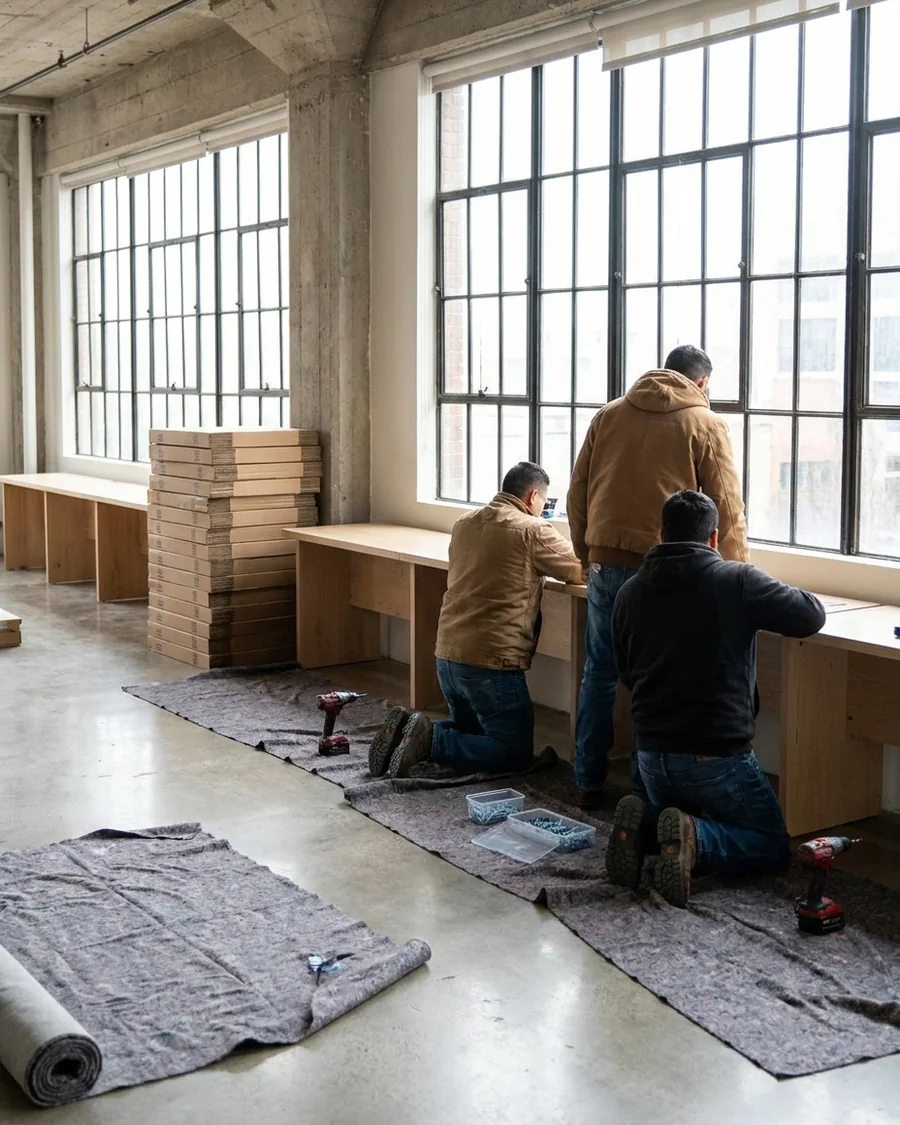
A single crew doing one job at a time cannot offer same-day, because every new request lands behind the last one. Capacity that can be split is what turns a request into a slot. That is also why an item count at booking matters more than an exact description: it is the count that tells us how many people the job needs, and the count that decides whether anything else still fits.
The parts check is a scheduling tool
Every carton is opened and every part counted against the manufacturer list before anything is joined together. That reads like a quality step, and it is, but it is mainly a scheduling one. A missing part found in the first ten minutes is a conversation with the retailer while the rest of the job continues. Found late, it stops the job and takes the day with it.
Access is the part nobody plans for
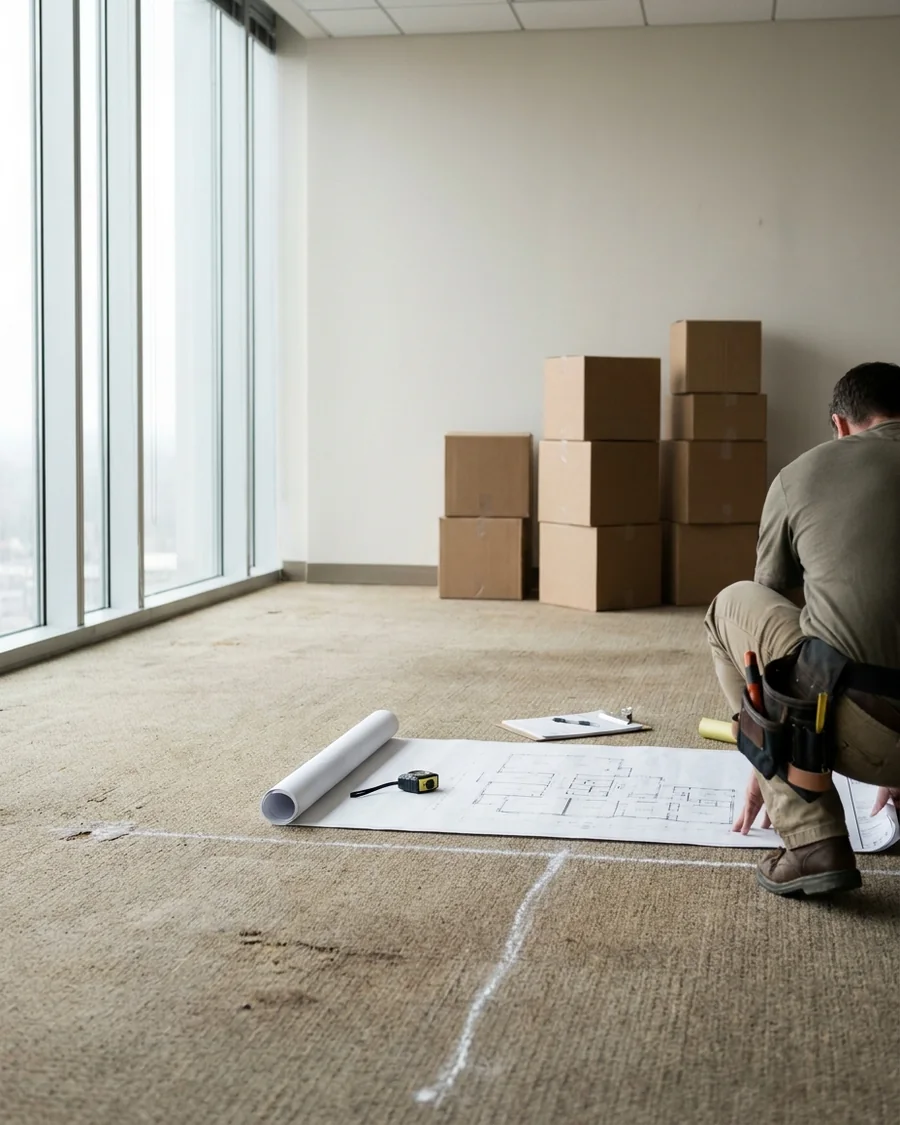
The other thing that decides a day is whether we can get in. A service lift that has to be reserved, a dock window that closes, a gate code nobody has, a building that will not release a lift at midday. None of that is furniture and all of it is the job. Telling us at booking is worth more than any amount of goodwill on the day.
That is what the promise costs. It is not a slogan, it is a way of arranging the week so a surprise on one job does not take the other four with it.